No False Idols
On virtual influencers, minstrelsy, and authenticity.
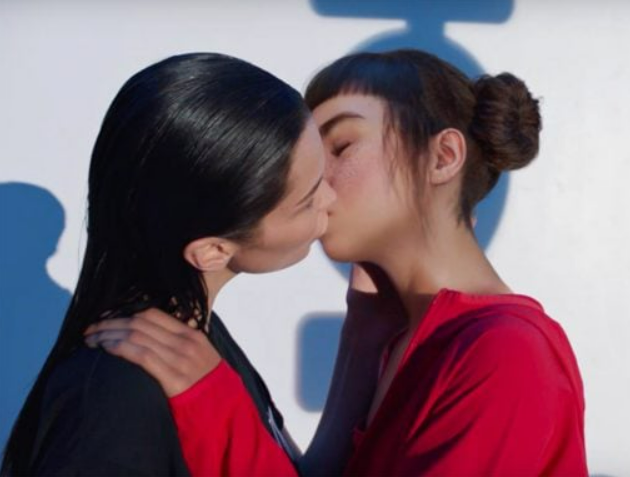
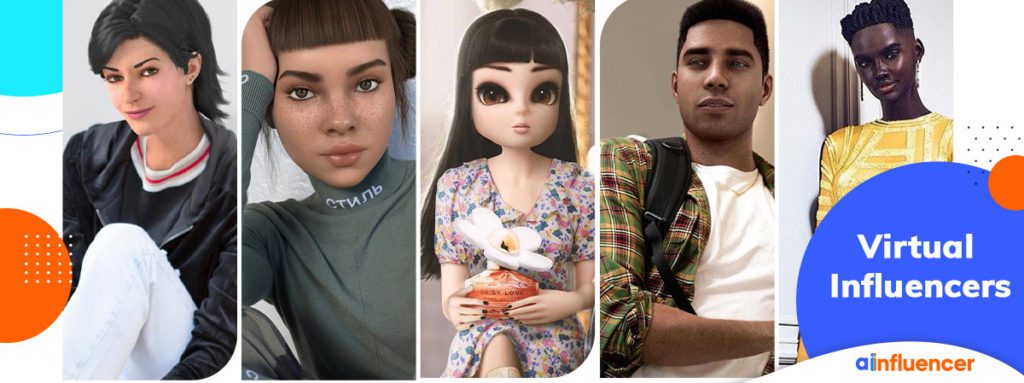
I write a lot about the reciprocal nature of technology; we influence technology and technology influences us back, two nebulous entities in conversation with each other. Sometimes, this is beautiful; I would never have found an audience if it weren’t for technology, and arguably a lot of LGBTQIA+ people would have never found their community (or themselves) if it weren’t for the series of tubes we call the Internet.
Sometimes, though, it’s incredibly harmful. This is for a variety of reasons, from the ways that platforms encourage us to be angry (since that’s what’s profitable to them) to the limited scope of the discourse that’s even possible to discuss on social media (we can’t have society-shifting conversations in 140 characters). One thing I’ve been thinking about lately a lot is cultural appropriation, which if you need it white-splained to you, is when people adopt the aesthetics and norms of a culture without being of that culture or understanding the meaning behind the creation of those aesthetics (and profiting off of them in the process).
The cultural convergence that we call the Internet is complicated; one one hand, Black queer artists have a larger platform than ever. On the other, most white people don’t have the media literacy or anti-racist background to distinguish “Black culture” from “Internet culture”, so we pick up phrases like “yaas queen” as though they were simply floating in the ether. I myself have definitely been guilty of this; the pipeline of “cool language” usually goes from Black queer people, to Black non-queer people and white queer people (hi), to white women (also hi), to everyone else. It’s even more nefarious when brands, media companies, and artists profit off of Black culture; recently Doja Cat trademarked the phrase “It’s Giving” to start her brand of the same name, and we now live in a time when rich white YouTubers can “rap” (if you can call it that) on top of beats they bought online and pose in front of rented cars, garnering hundreds of millions of views.
This is nothing new for American media; in 1953, Sam Phillips, a recording engineer in Memphis, infamously said “If I could find a white man who had the Negro sound and the Negro feel, I could make a billion dollars!” just months before discovering Elvis Presley, who would go on to make rock & roll music white and relatable. Minstrelsy has always been the foundation of American entertainment, after all. Nowadays, we’ve simply innovated in our methods of exploitation; anybody can become a culture vulture, and sometimes, the Black body being exploited might not even be real.