
The Load We Bear
On Indigenous representation, disability, and community.
It’s been a stressful week. That’s just most weeks recently. Work deadlines are converging, The Powers That Be are not holding back in their onslaught on all things good, and to top it all off, my body hurts. (Don’t get Long COVID, folks, wear a mask.) I feel myself becoming more tense, more irritable, and more exhausted in the way that I’m sure future historians will simply refer to as “2025 Syndrome” (unless, of course, next year turns out to be even worse).
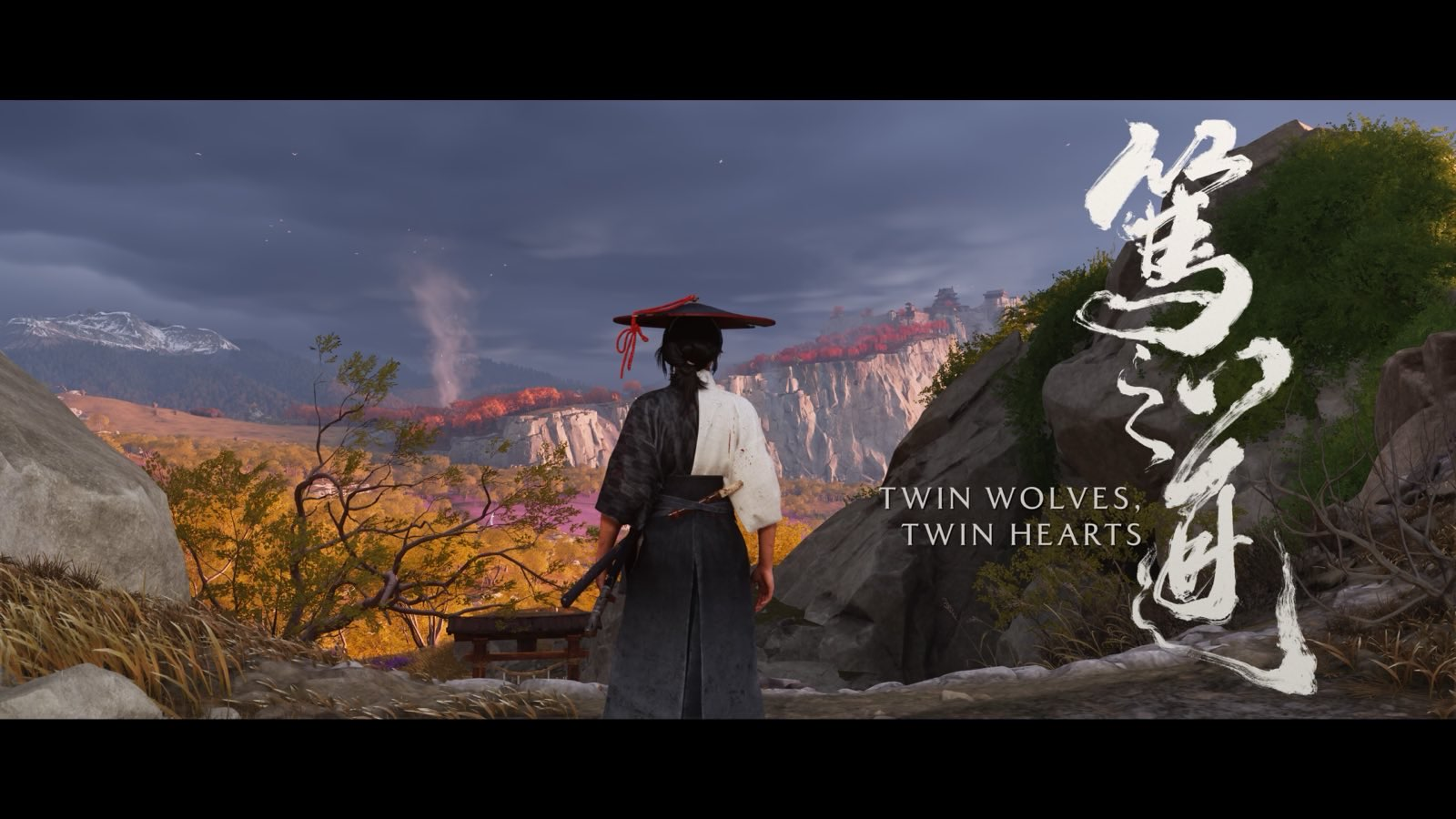
It’s in times like this—when my body is spent and my spirit is in search of meaning—that I turn to video games, an art form that stimulates all my senses yet requires little actual movement on my part. Recently, I’ve been playing Ghost of Yōtei, the newly-released sequel to Sucker Punch’s Ghost of Tsushima (one of my favorite games of all time). At 27 hours in, I’m barely halfway through the game, but I can already say that it’s better than the original, if only for its superior story.
You play as Atsu, a mercenary born on the island of Ezo (now Hokkaidō, Japan) who seeks revenge on the Yōtei Six, a criminal gang who murdered her family as a child. The orphaned Atsu fled to the mainland to become a ruthless assassin, and has now returned to Ezo to murder the Six, including the game’s big bad, Lord Saito.
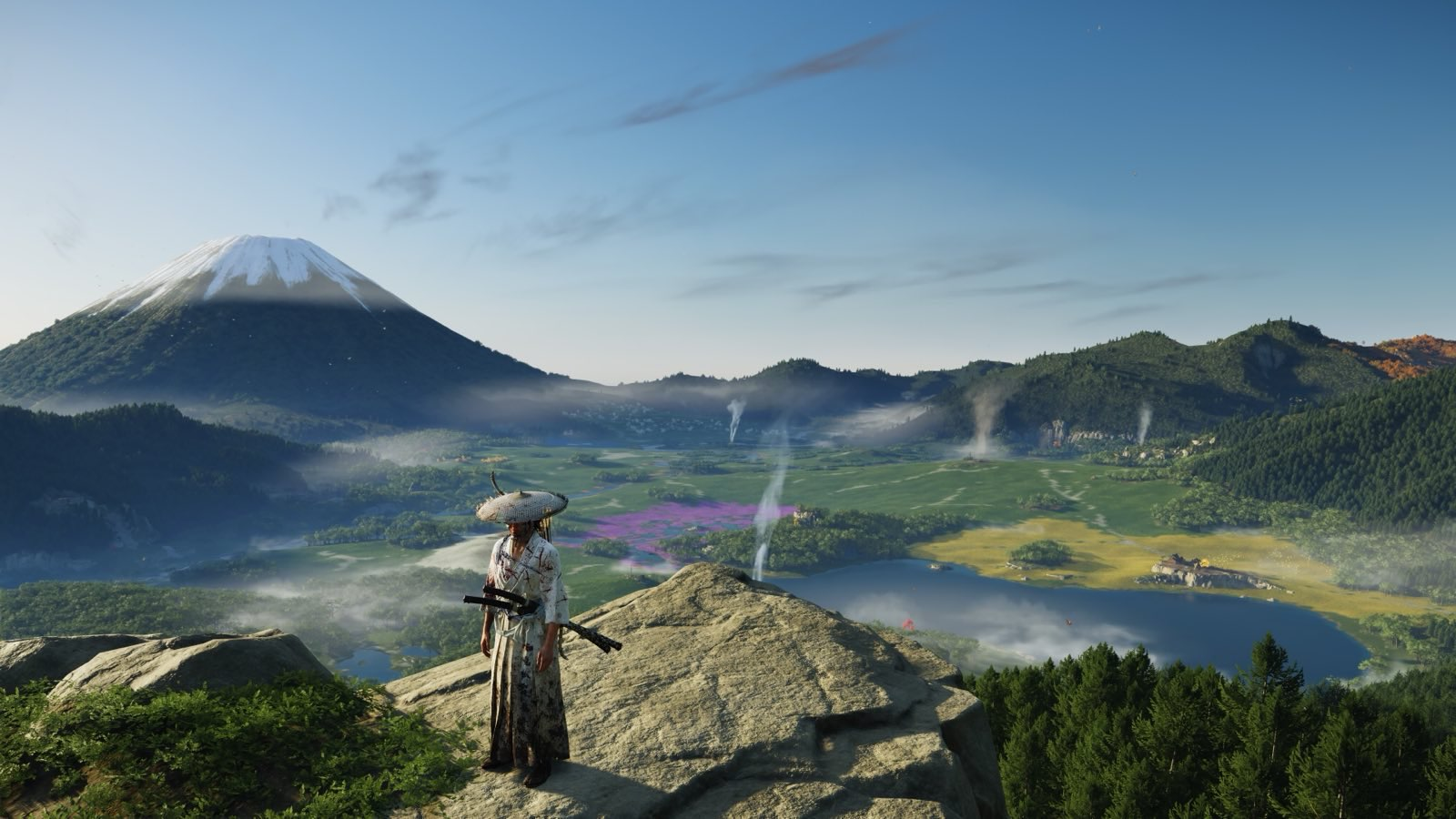
The game takes place in the early 1600s, though it takes inspiration from across Japan’s rich history (certain pieces of in-game armor reflect samurai armor from the 1800s, for example). This cherry-picking doesn’t take away from the real meat of the game, which is picking off bad guys with your katana (or kunai, yari, among many other weapons) and getting immersed in Atsu’s story.
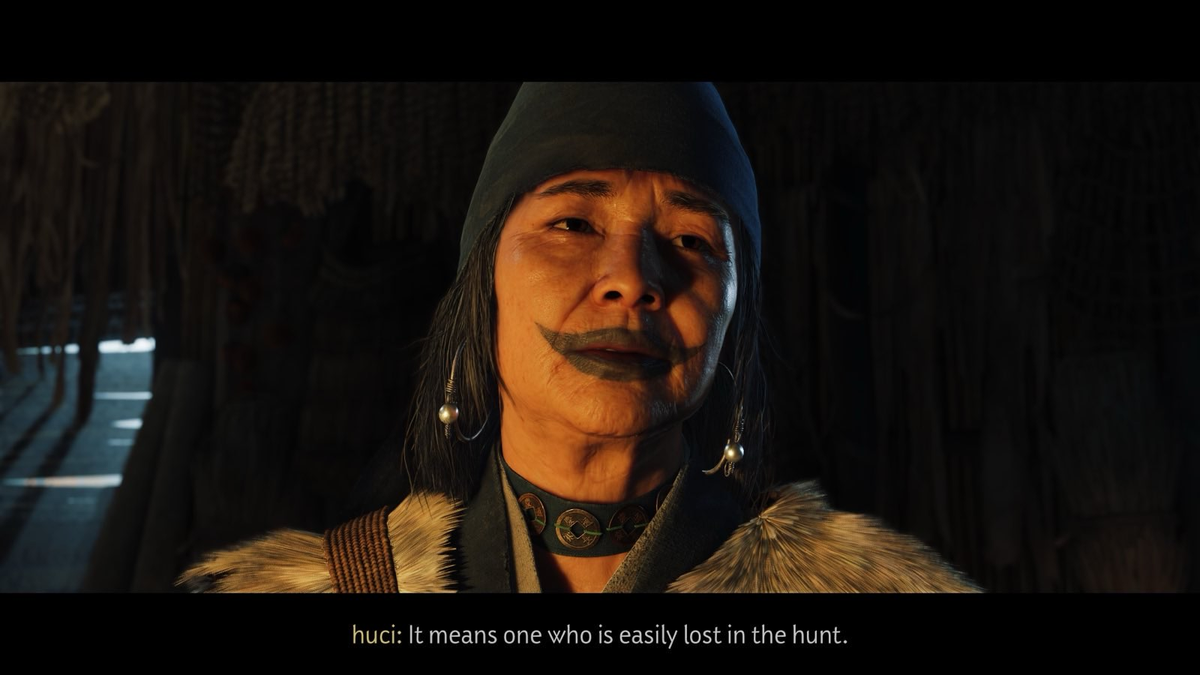
Being a 40+-hour game, there are hundreds of missions, most of which follow the subplots of a wide cast of other characters. Take the Matsumae, a group of samurai from the mainland who are in Ezo to stop the Saito Clan and are ostensibly “the good guys”, but who’ve received a mixed reception from the island’s locals. One of your first missions involving the Matsumae sees you defending their newly-constructed bridge from Saito bandits. The Matsumae claim they built the bridge as an attempt to help the local community, but the Ezo settlers are skeptical, believing that they mostly built the bridge to help themselves and wishing that they had asked them about what they actually needed (food, supplies, shelter, etc.) As opposed to Ghost of Tsushima—which had a very straightforward (perhaps even politically questionable) story where you reclaimed various territories from invading Mongolians one after another until the whole island was “free”—nearly every mission in the game builds toward themes of community solidarity and collaboration through times of struggle, with a far more complex cast of Matsumae, Saito followers, Ezo settlers, and the indigenous people of the island (more on them later).