My First Zine (Was A Syllabus)
On radical love in STEM classrooms.
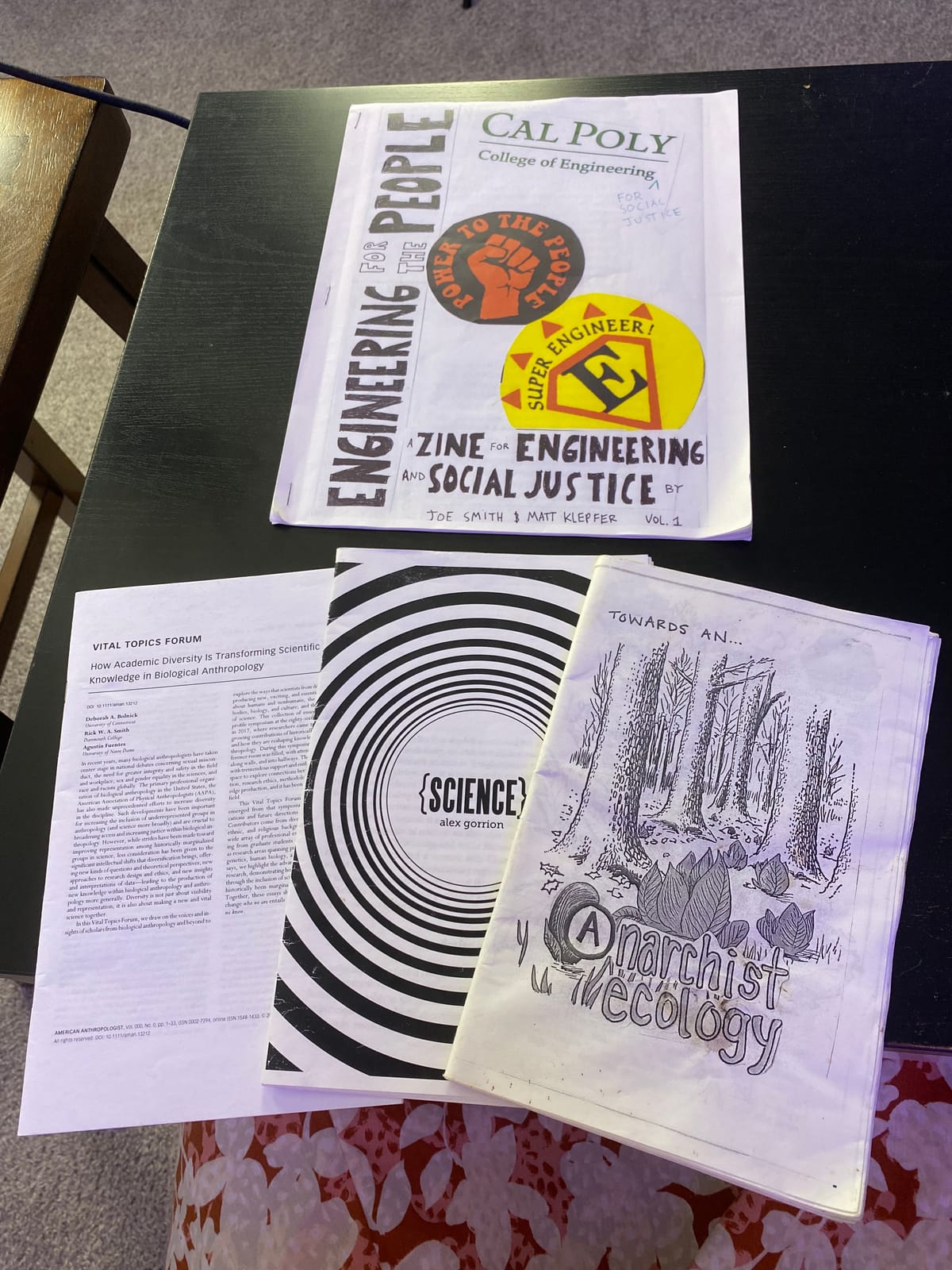
In a previous issue, I talked about my zine syllabus. In this issue, I’d like to elaborate on how that came together. Hopefully, it can inspire future teachers to rethink their approach to presenting information to their students!
I should start off by saying that this project would be nothing without Black women (in even more ways than how I, as a white trans woman, would be nothing without the Black trans women who came before me). I was first inspired by the Abolition Science podcast, who bring together STEM subjects and abolitionist ideas in a way that’s fun and accessible. In one episode, they talk to the creators of Tiny Tech Zines, an organization which promotes tech-focused zines by BIPOC creators. I started thinking of making my own zine someday, but I wasn’t sure about what.
For those who don’t know, zines are small-batch, self-published “magazines”, usually made by-hand and then photocopied by an individual or small group. They have their roots in fanzines, self-published comics made by fans of a certain media properties which were popular in pre-Internet days. But they’re also rooted in the radical knowledge-sharing practices of marginalized communities; if you’re a Black queer person in the 1980s who wants to inform their community about the local ball scene, you may not be able to get a book published or get your own TV show, but you can make a few photocopies at your local library. (Note: QZAP, the Queer Zine Archive Project is a robust collection of past and present queer zines, and you should totally spend some time rummaging through it!)
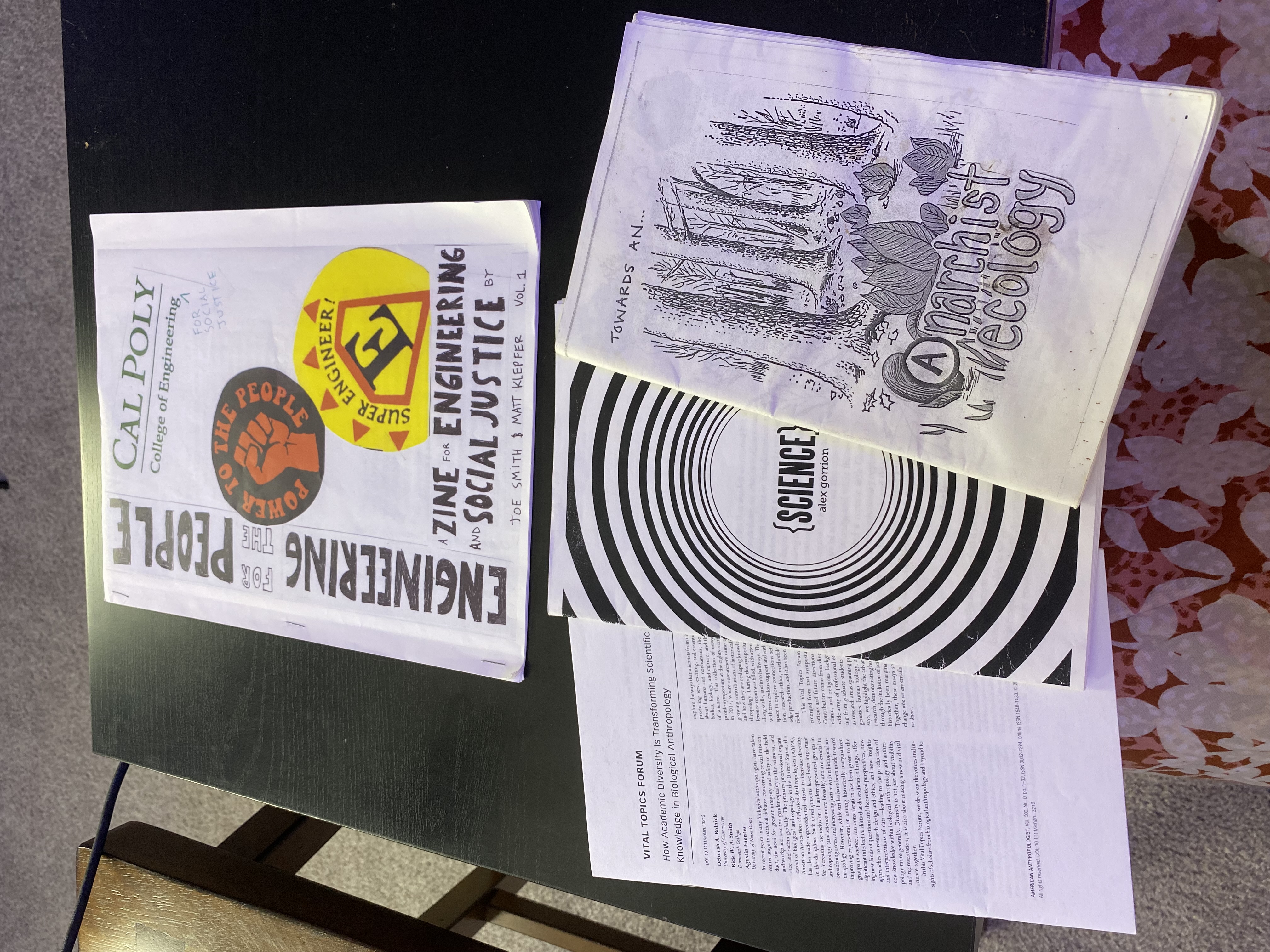
Not long after running their Tiny Tech Zines interview, Abolition Science had another episode about Black feminist teaching practices that mentioned using zines as a class syllabus. I was obsessed with the idea. Syllabi were always so boring and dry, and hardly ever read. There’s even a meme among teachers that if students would just read the syllabus, all of their pesky questions could get answered. Maybe if reading the syllabus was, I dunno, fun, students would be inclined to read it more.
But it’s about more than just engaging students with pretty colors. What if your syllabus was your map to the course, a field guide that you could keep in your back pocket and whip out whenever you needed to make a quick reference? What if it had affirmations that reminded students that they’re valued and doing a great job? What if you could establish an “as your instructor, I give a shit about you” tone from the first day of class? Zine syllabi would also introduce students to radical forms of knowledge-sharing that could change the way they pursue education long-term. “Screw paying $200 for a textbook; here’s a free pamphlet of everything you need to know. Take a few for your friends, too.” The way it should be!
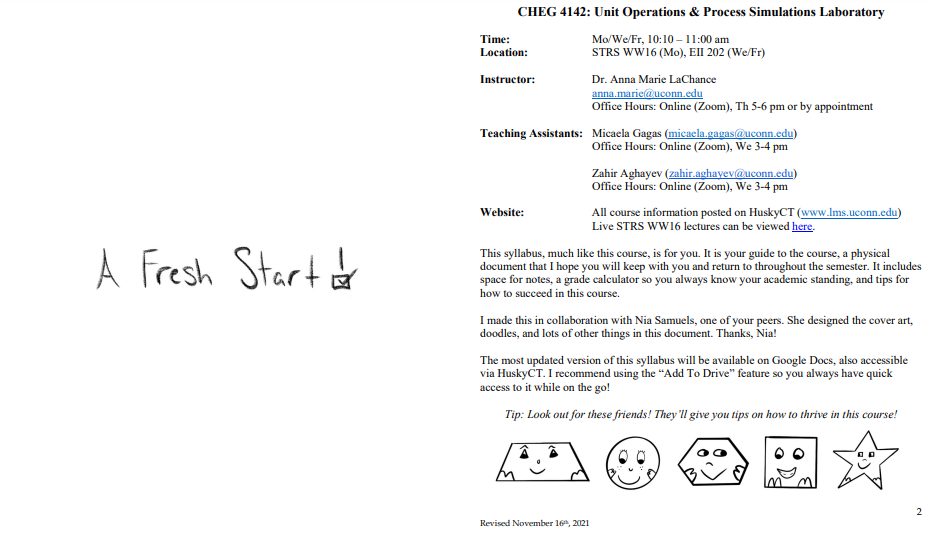
This was in the spring of 2021, my last semester doing lab work for my dissertation (I would successfully defend my PhD on July 29th). Even though I was finishing my research, I was sticking around at UConn for one more semester to teach “Unit Operations & Process Simulation”, our course on Aspen and chemical plant design. It was my 2nd time teaching the class all by myself, and I wanted to try something new. One of my undergraduate research mentees, Nia Samuels, had been working with me for about two years by that point and we’ve had lots of conversations about the intersections of STEM and social justice. On top of being a chemical engineer and a great researcher, she is also an activist and an artist, sometimes doodling on her tablet in her downtime between experiments. One day, I explained my idea for an interactive, zine-style syllabus (I even showed her the podcast episode) and I asked her for her thoughts.
Being the brilliant young Black woman that she is, she brought even more ideas to the table. She reminded me that students often are confused or stressed about where they stand in the course, so what if the syllabus included a way to track your own progress in the course? What if tips on how to succeed in the class were sprinkled throughout the syllabus? What if there were space in the syllabus to doodle, take notes for class, or write self-affirmations? It helped a lot that she was not only still a student, but that she was actually going to be taking the course in the Fall, so she was invested in how the final product turned out.
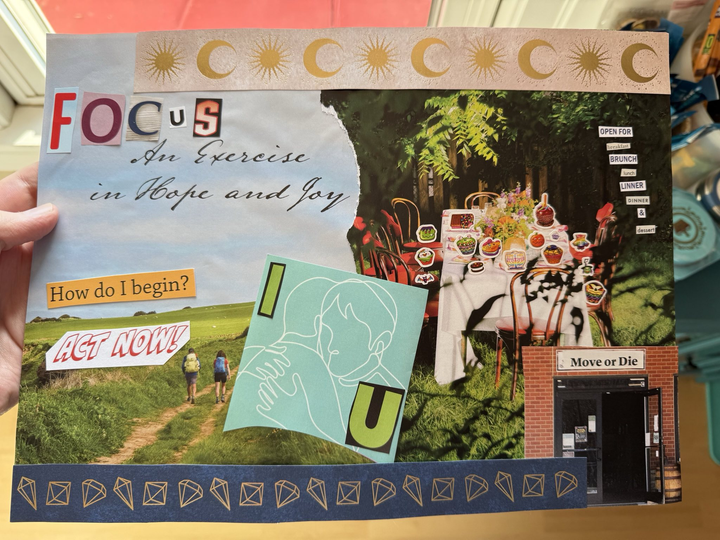
Together, we co-designed a syllabus that emphasized inclusion, accessibility, equity, and art. Feel free to follow along at home as I walk you through what we made! (I even have a printable version on my website!)
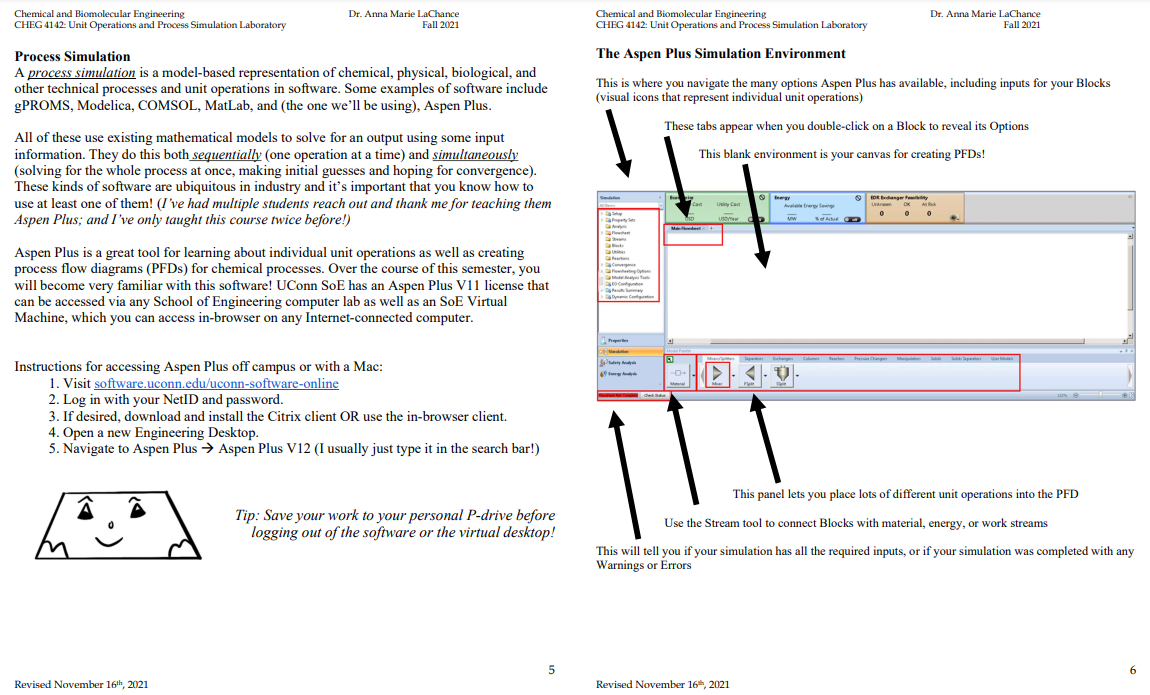
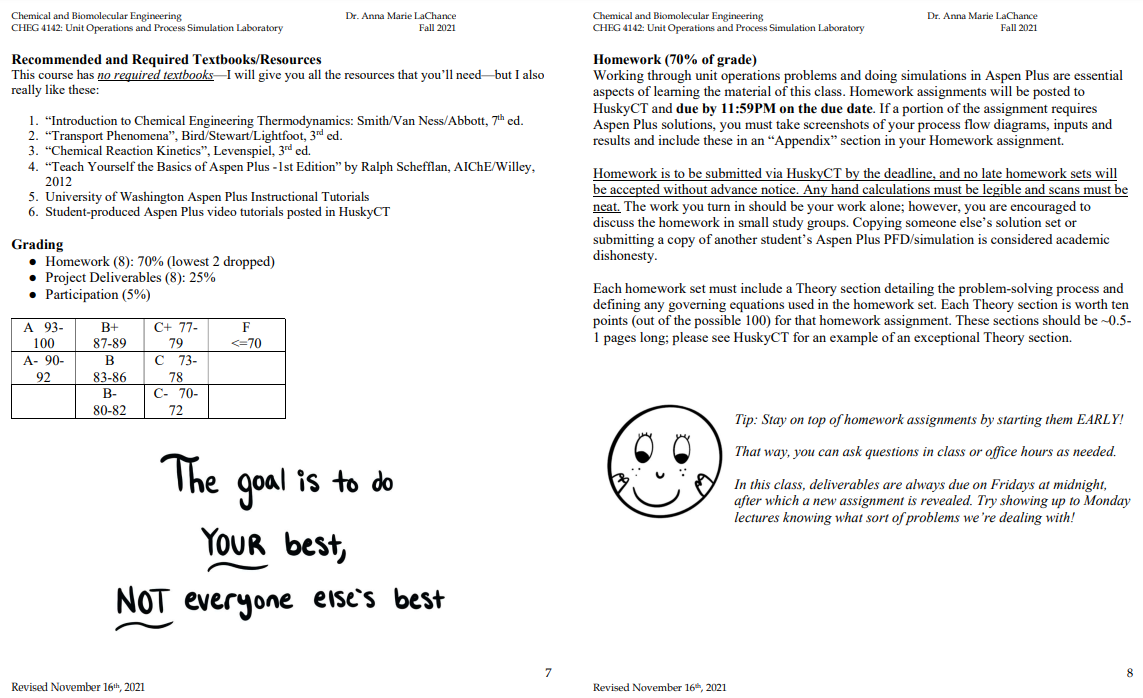
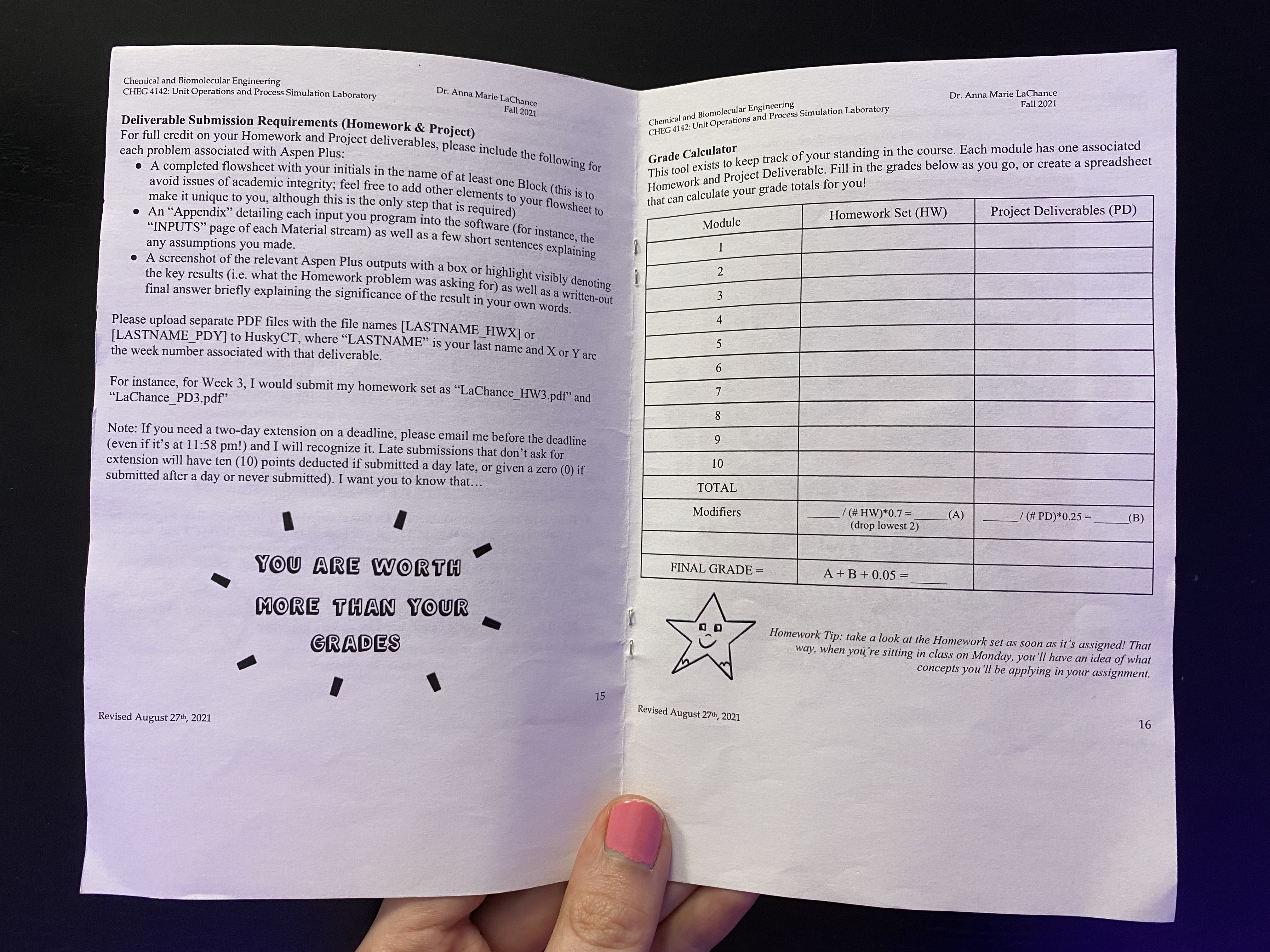
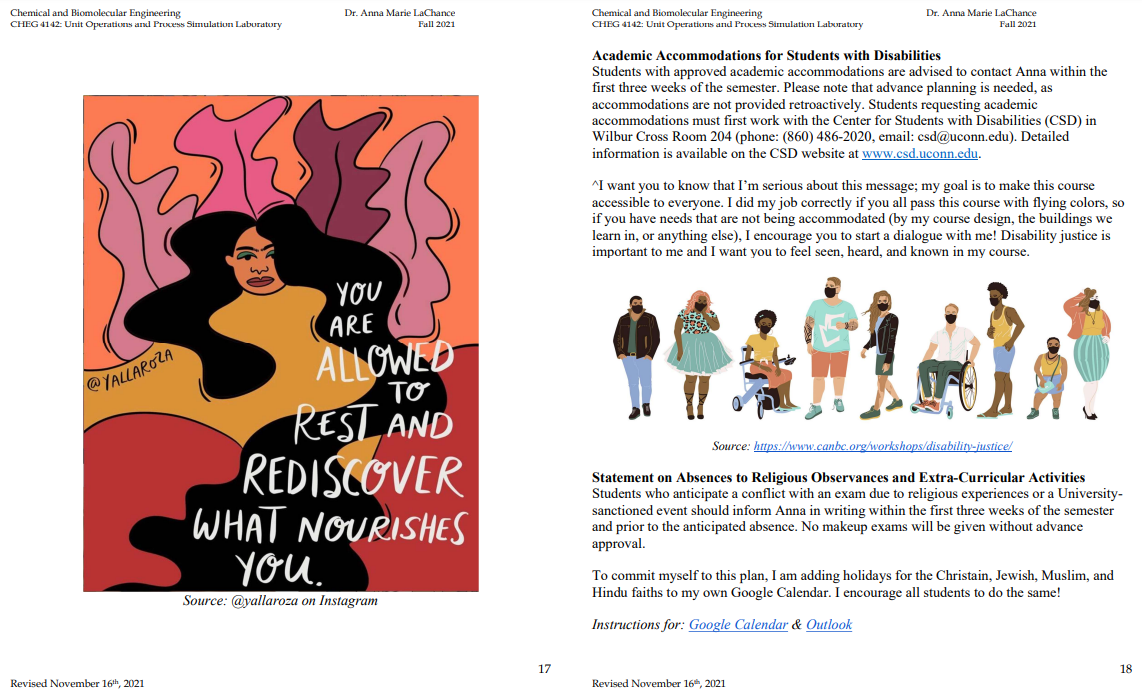
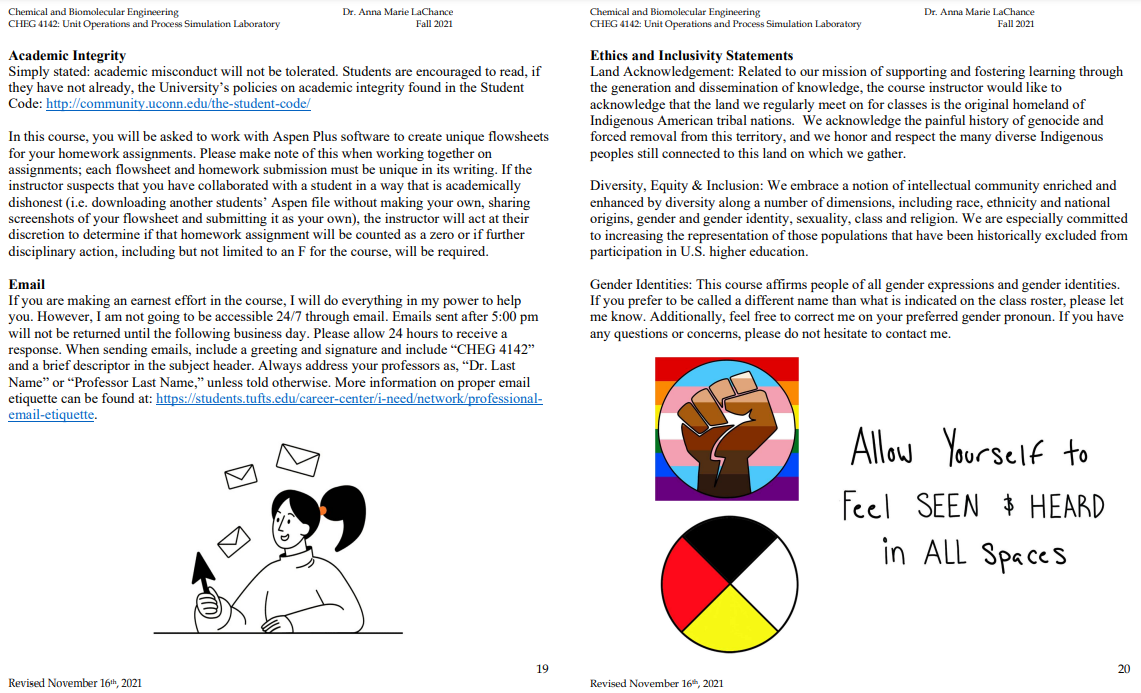
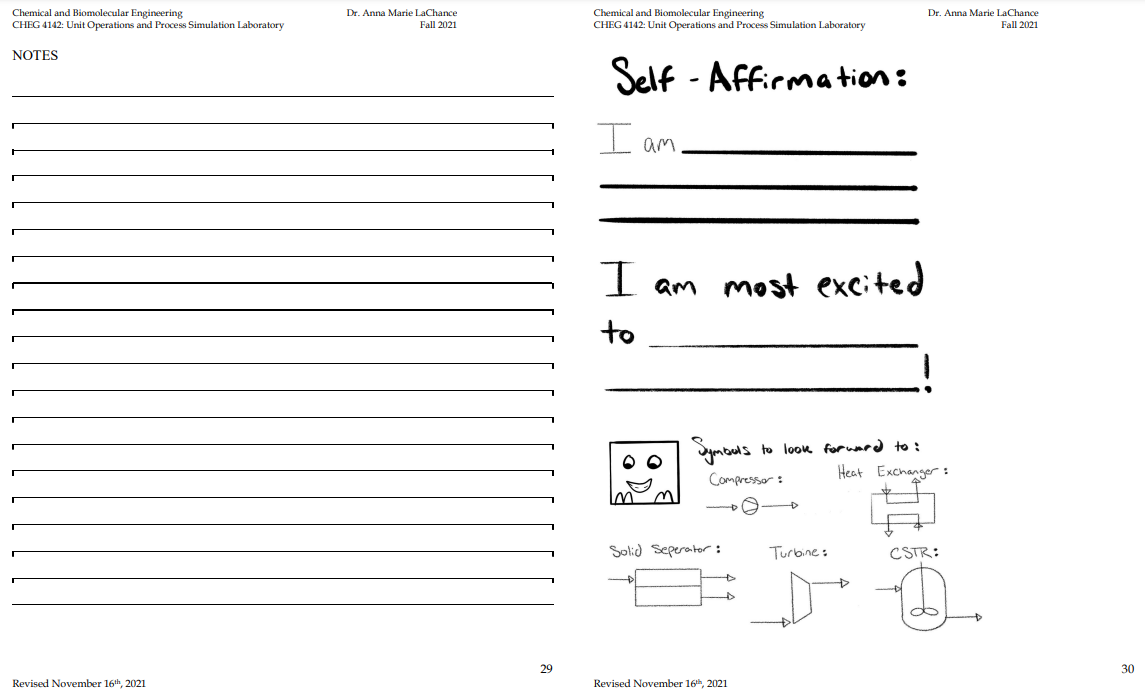

Of course, the zine syllabus can be pushed even further than this. For example, instead of a table of Laplace transforms or common solutions to ODEs being in Appendix C of the textbook or Slide 17 on Lecture08_v2.pptx, how about you just put it right in the zine? What if students filled in parts of their zine as they went through your class, like an activity booklet? How else can we prompt students to think about what they want to get out of their education? Why not have students in your current class design a zine for next year’s class (especially if you’d like to do this but you’re not sure on how to get started)? I think it’s paramount that students are involved in the design process, since they’re the ones that are going to be using the darn thing!
Let me know what you think about my zine in the comments below, or on social media! I’m definitely going to be making a new zine for my Process Dynamics & Control course this fall. If you want to read about the design process for my next zine, subscribe to this newsletter below!
Currently Reading
- I just finished Jennette McCurdy’s “I’m Glad My Mom Died”. It’s a look into the fucked-up world of child stardom, and it’s a VERY cathartic read for anybody who has a complicated relationship with one of their parents.
Watch History
- Teanna at Fab Socialism did a great analysis of Joe Biden and Kamala Harris’ recent public appearances, noting very accurately that they can say a lot of words while really saying nothing at all. This viral moment from Kamala Harris (where she doesn’t feel strongly about acting in any way to codify abortion rights or protect the privacy those who seek them) is very revealing. Is the Democratic Party incompetent at governing, or are they totally content with the status quo? Which is worse?
- Let’s not forget that all positive leftist news is won by the people, not by governments deciding to Do The Right Thing For Once!
Bops, Vibes, & Jams
- Every now and again I make a Spotify playlist of everything I’ve been listening to lately. Here’s my latest!
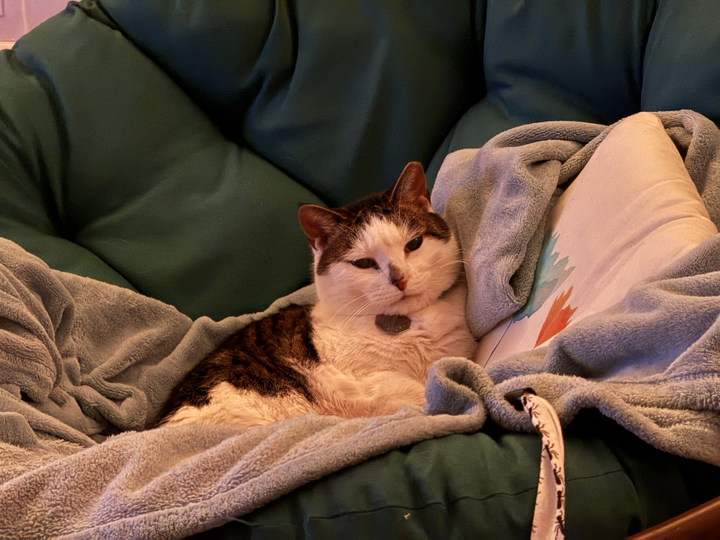
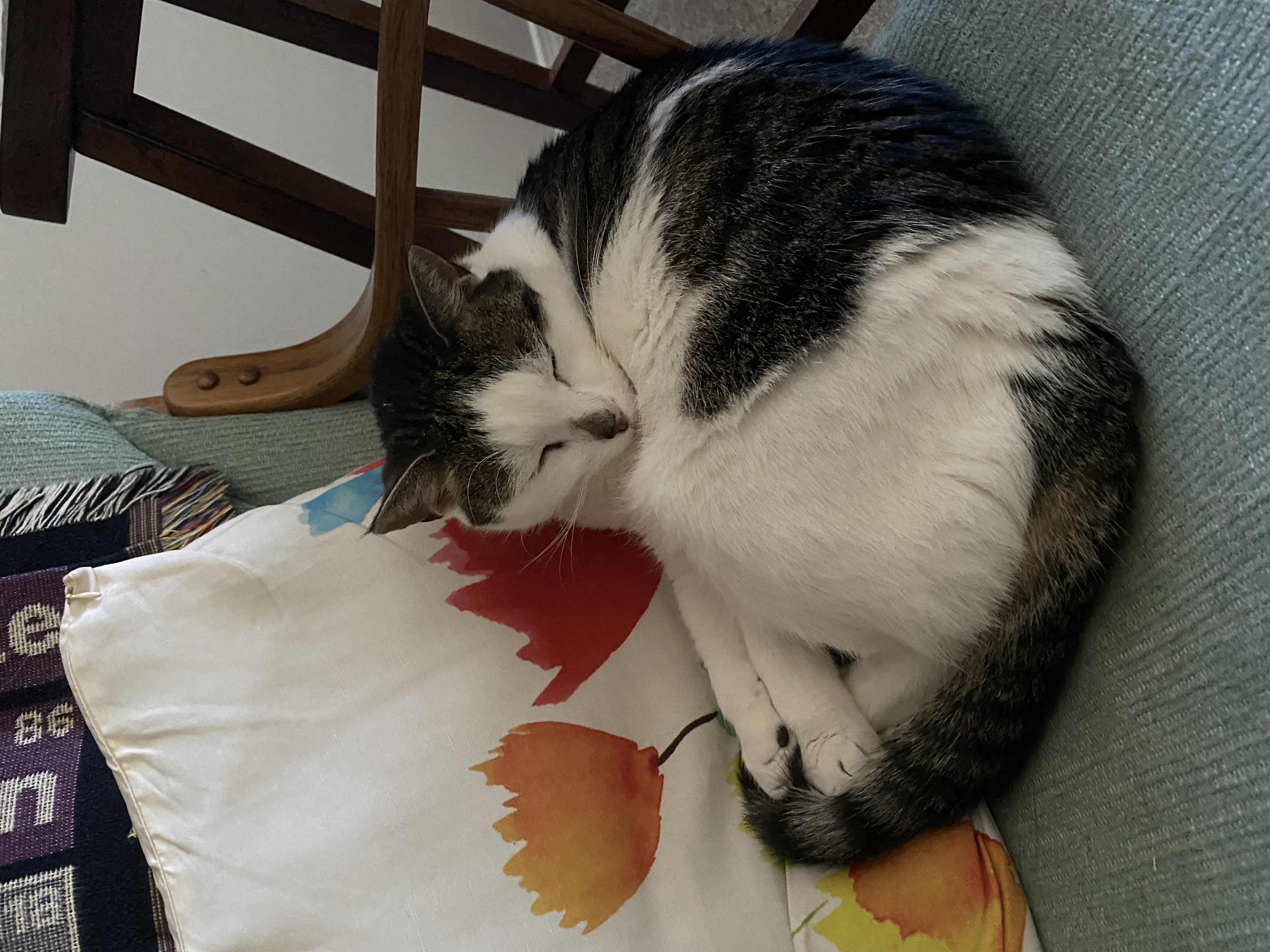
And now, your weekly Koko.
That’s all for now! See you next week with more sweet, sweet content.
In solidarity,
-Anna