Against the Internet - Reissue
On how the Left should be spending their time.
For Taurus Season, I’m reposting some of my older essays that I think deserve more love. I find myself agreeing with this even more today, having given up TikTok in January in part due to the frustrations described below.
This was also a paid post when it was originally released, so if you want to read more essays like this in the future, consider becoming a paid member!
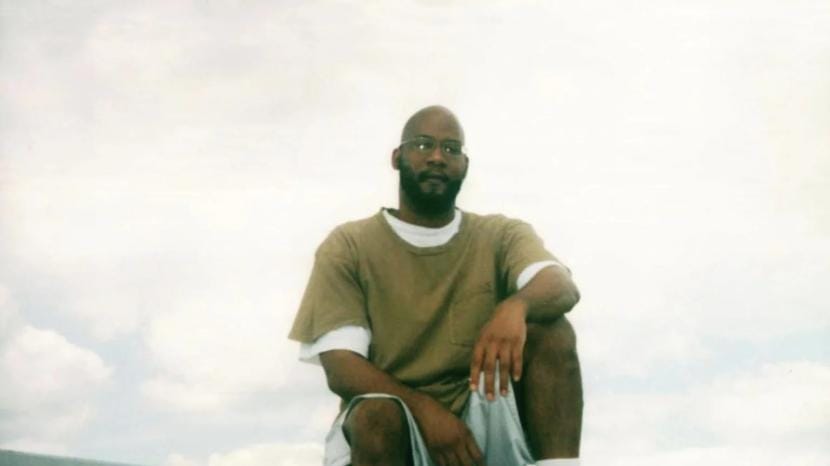
On September 24th, 2024, Marcellus “Khalifah” Williams was executed by the state of Missouri via lethal injection. Convicted for the murder of a white woman in 2001, he has maintained his innocence throughout his life, as have many lawyers and activists who point out the lack of forensic evidence among other issues with the case. In the days leading up to his execution, his story went viral on the portions of social media we might affectionately dub “the online left”. Despite hundreds of people being mobilized to visit the Missouri governor’s office to deliver 1.25 million signatures on a petition requesting his freedom, the state carried on with his murder, forcing us all to reckon with not only the continued racism of this country, but the reality that we may have run up against the limits of what our current forms of activism are capable of. The State does not listen to The People, point blank.
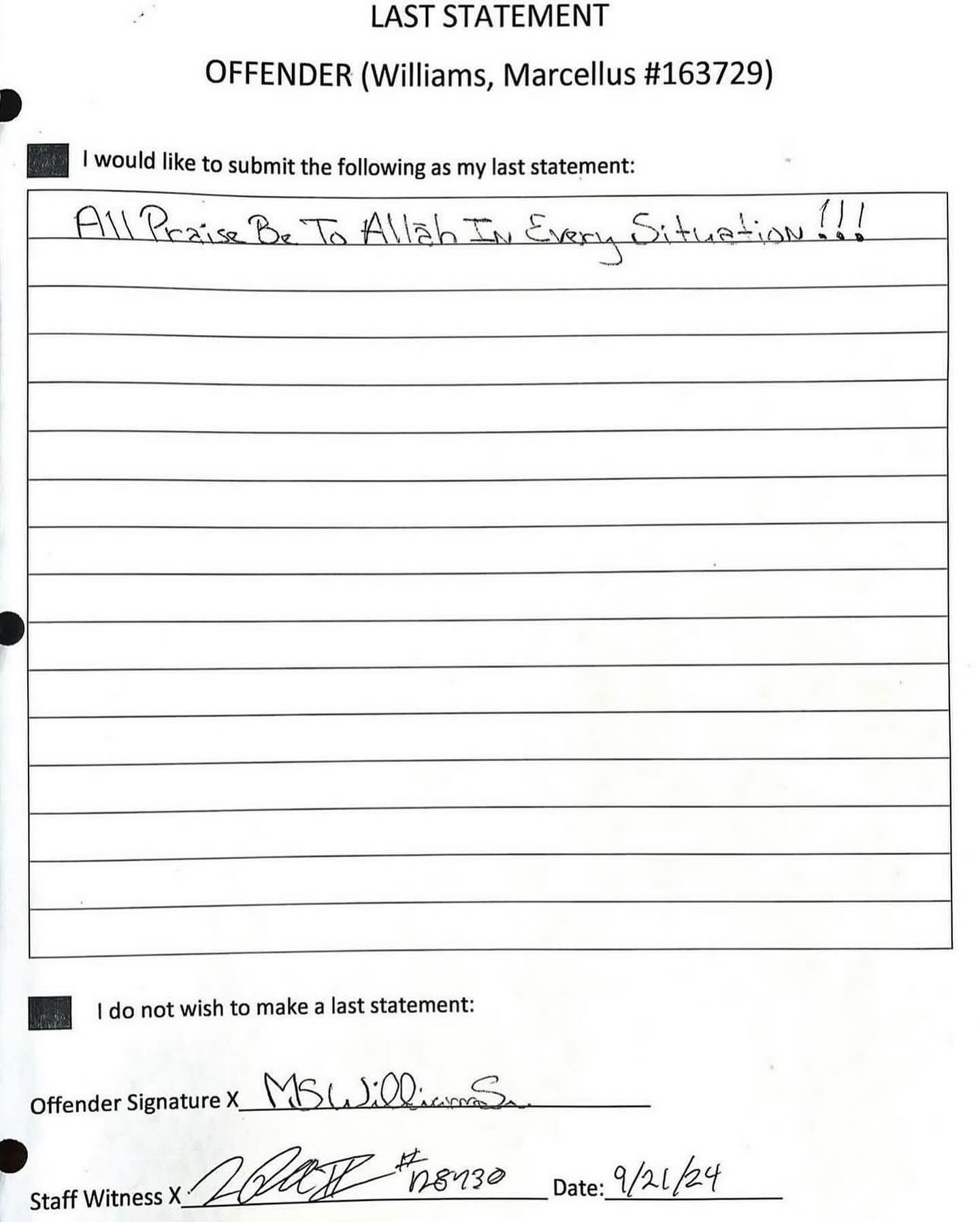
We are all implicated in the murder of Khalifeh Williams. Obviously, the state apparatus that grants itself the ability to kill innocent people is to blame for this horror. However, another question we need to ask is, why did the wider American Left only learn about this execution with mere days left to act on it? It seems pretty clear that a well-organized movement for justice, one that could produce swarms of people showing up to the governor’s office and more than a million signatures, should have been able to prevent this murder. Could we have done so if we only knew about this situation months ago instead of a week ago?
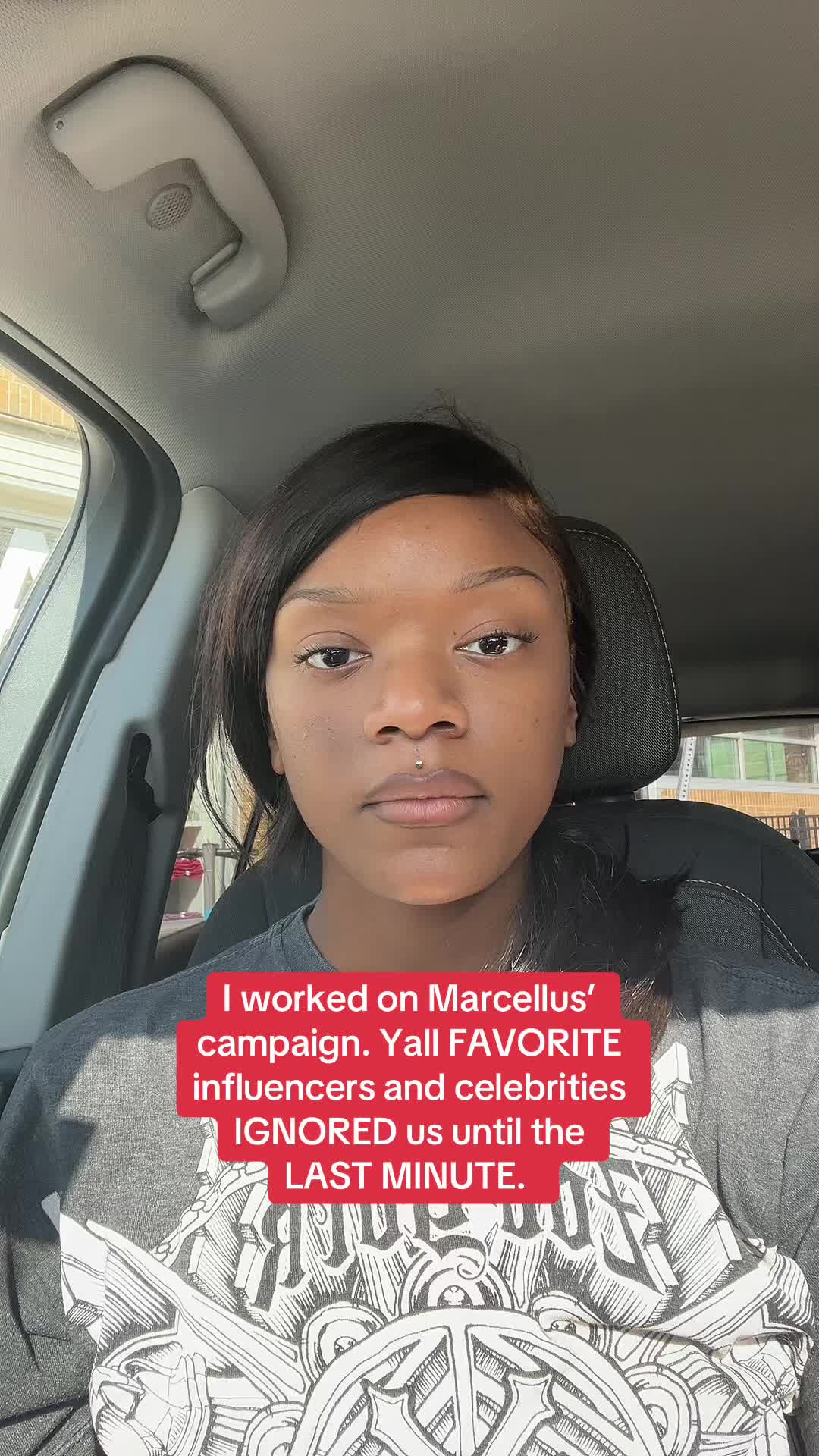
Keiajah “KJ” Brooks, famous for her viral dragging of a Kansas police board, was one of the boots-on-the-ground, “IRL” activists working on Williams’ case. In a recent TikTok video, she claimed that despite reaching out to some of the largest social justice creators about his upcoming execution more than two months ago, many of them left her on read. Translation: many of the biggest names that we look to for guidance on leftist issues knew about Williams’ upcoming execution and said nothing until days before it happened (once it became popular to do so).
We can’t really say why these creators didn’t speak when they could have. We also can’t open a portal to another timeline where the online left mobilized months or years ago to check if Khalifah Williams is still alive over there. Nonetheless, it haunts me to consider the possibility that we, leftist creators, could have saved a man’s life if we acted then instead of mere days before his murder, once it was arguably too late to reverse course. It leads me to wonder: If leftist content creators are only making reactive content about what’s currently trending, rather than proactive content about things they can actually mobilize their audiences to do something about, then what does that say about our capabilities as a movement for justice?
The promise of the Internet—a method by which like-minded people could connect despite physical barriers in order to imagine new futures, create new identities, organize to make positive change in the real world, and so much more—has been knee-capped by corporate ownership, surveillance, and content algorithms. While I’ve been a TikTok creator since 2021 and a Substack author since 2022, I’m growing increasingly disillusioned with the idea that any of this is helping.
As it stands now, individuals yapping about politics on capitalist-owned platforms have completely different goals and incentive structures than organizers in real-life activist spaces. For example, in real-life activist spaces, it’s in your best interest to form coalitions with people who diverge slightly from you in your overall political beliefs. You are interdependent on each other for survival, or at the very least have some shared interest in the form of a law that needs to get passed or repealed, a body of government who should receive more funding, or the freedom of an incarcerated individual. Additionally, if someone in your activist group does something harmful (e.g., says or does something racist, transphobic, anti-Semitic, etc.) you could very well take a restorative justice approach to repairing that harm; after all, you’re a small group of people challenging the status quo, so it’s in your interest to find a way to work together despite your differences and remain in community with one another. Your group may democratically decide to cut that person off from the group if they refuse to partake in the restorative process, but this is generally a last resort.
Online, however, people are disposable. You can now find the 500 people on the planet who agree with you on precisely everything, so if anyone does harm, diverges slightly from your beliefs, or even diverges slightly in the strategies they believe you should use to make your shared beliefs more normalized, they can be cut off, dropped, blocked, or unsubscribed from without hesitation. Because you are not necessarily interdependent on your online “comrades” for food or housing, keeping anyone not 100% aligned with you around is a liability for your narrow goals. This culture of disposability, propped up by the most privileged among us, repeatedly fails the most marginalized among us, who actually do rely on a virtual network for rent money or mental health support; to quote Kai Cheng Thom’s words on the impact of callout culture on trans women, “for us, social death is real death”.
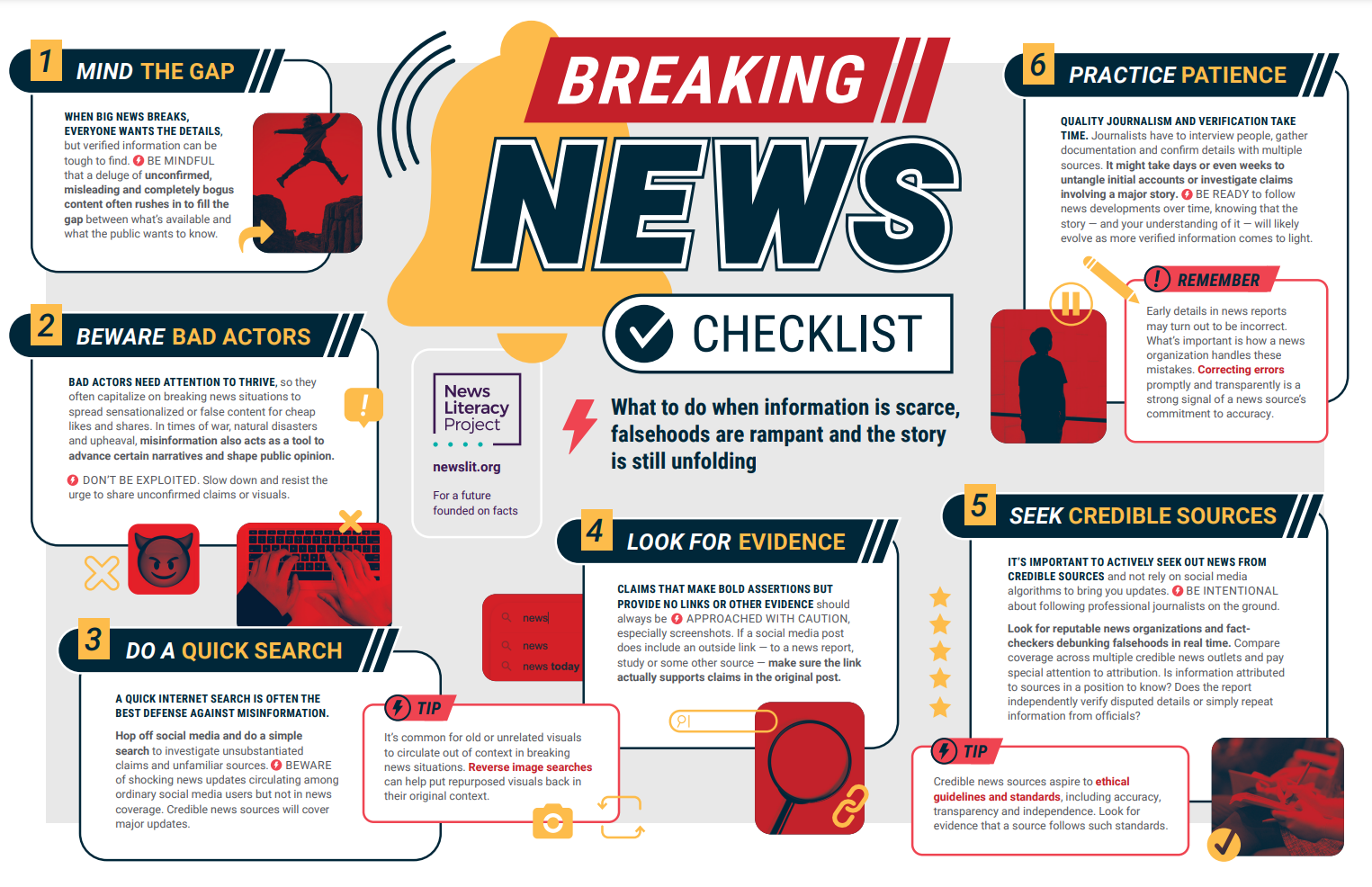
The platforms on which leftists spend their time creating and consuming “political education” unilaterally incentivize division and reactionary beliefs. We know that content algorithms favor engagement (Likes, Angry Reacts, high share counts, high numbers of comments, watch time, stitches, etc.) and are thus tuned to content that provokes Discourse, anger, desperation, and other negative emotions. The platforms incentivize addictive content that appeals to our worst impulses as a species, keeping people hooked and coming back for more, usually to the detriment of measured, researched responses. When an attempt was made at former president Donald Trump’s life at one of his rallies, it took mere minutes for left-leaning TikTok creators, many of whom I deeply respected, to weave conspiracies about how the shooting was faked for media attention, a psyop to garner respect for the far-right fascists, or some other farcical explanation. Leftists, who are supposedly on the side of science, debunking misinformation, and critical analysis of media jumped at the chance to talk about The Latest News Story and craft the edgiest, most clickable take on the event instead of following well-known guidelines for reporting breaking news.
This is to say nothing of real psyops (a la COINTELPRO) and how online discourses are incredibly easy to co-opt and contort in ways that create division. I’m not the type to claim that everyone who disagrees with me is a government agent or a robot, but it’s not unreasonable to think that some federal agent is being paid to comment intentionally divisive takes on social media in an effort to waste our time. This is to say nothing of surveillance and the ways that platforms, including ones specifically marketed as a more secure alternative, will sell your data to the cops if required to do so. Online organizing can thus never take place of real-life organizing, lest all our plans for strikes and other demonstrations be found out immediately and shut down.